Access recordings sponsored by the Alabama Department of Mental Health from the 2026 COACH Pathways to Prevention Conference Series, a multidisciplinary training program designed for healthcare and behavioral health professionals, community leaders, educators, and law enforcement personnel. These on-demand webinars feature expert-led presentations on current drug trends, youth engagement, naloxone education, stigma reduction, cannabis awareness, ADHD and substance use prevention, and other evidence-based prevention strategies. Participants can learn from nationally recognized speakers and explore practical approaches for promoting healthier, safer communities.
Topics include drug trends, youth engagement, naloxone training, stigma reduction, cannabis education, and more.

The Science of Motivating and Influencing Young People
David S. Yeager, PhD
Discover the research behind what drives youth behavior, decision-making, and engagement. This webinar explores evidence-based strategies for building motivation, fostering positive relationships, and effectively influencing young people to make healthy, informed choices in school, home, and community settings.
Opioids in Pain Treatment
Timothy Atkinson, PharmD
Explore the role of opioids in pain management, including how they work, when they may be appropriate, and the risks associated with their use. This webinar provides an overview of safe prescribing practices, alternatives to opioid therapy, and strategies for balancing effective pain relief with patient safety.
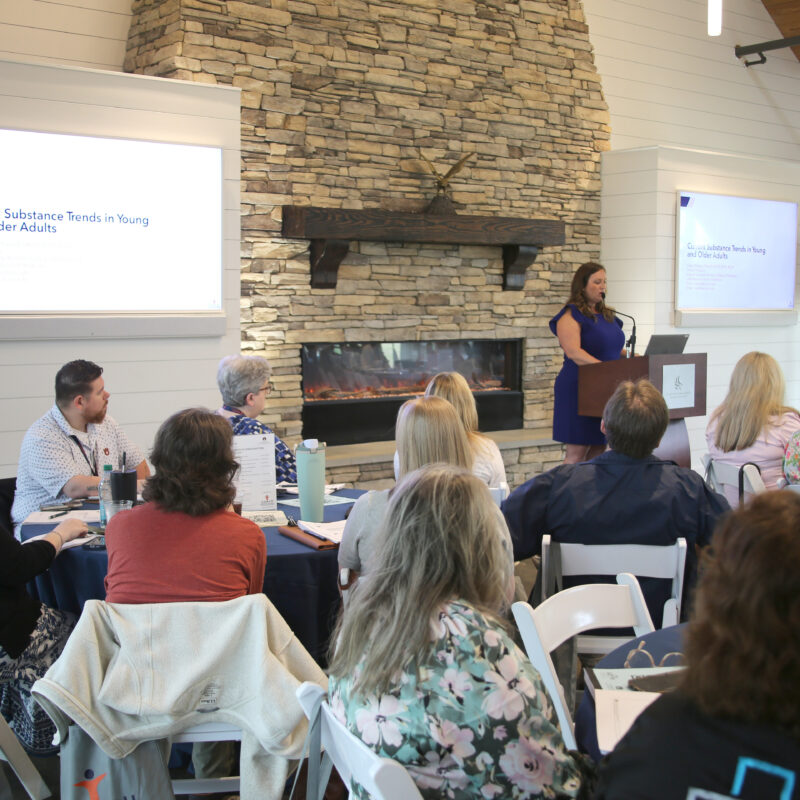
Bridging Generations Understanding Substance Use, Stigma, and Technology’s Role
Kristina M. Canfield, MEd
Explore how substance use trends, perceptions, and risk factors differ across generations, and examine the impact of stigma on prevention, treatment, and recovery. This webinar also highlights how technology and social media influence substance use behaviors, offering practical strategies for fostering understanding and meaningful conversations across age groups.
Healthy Aging After 55 The Role of Exercise, Nutrition, and Medication Safety
Elizabeth Pogge, PharmD
Learn how healthy lifestyle choices can support physical, mental, and emotional well-being as we age. This webinar explores the importance of regular exercise, balanced nutrition, and safe medication use, offering practical strategies to help adults over 55 maintain independence, prevent health complications, and improve overall quality of life.
Evidence-Based Treatment for ADHD Pharmacological & Psychosocial Interventions to Prevent Substance Abuse
Dave Anderson, PhD
Gain an understanding of evidence-based approaches for treating ADHD and reducing the risk of substance misuse. This webinar examines the role of medication, behavioral therapies, and family-centered interventions in improving outcomes, strengthening protective factors, and supporting long-term health and well-being.
Accreditation Statement
In support of improving patient care, this activity has been planned and implemented by the University of South Alabama College of Medicine Office of CME and the Auburn University Harrison College of Pharmacy. University of South Alabama College of Medicine Office of CME is jointly accredited by the Accreditation Council for Continuing Medical Education (ACCME), and the American Nurses Credentialing Center (ANCC), to provide continuing education for the healthcare team.
Designation Statements
IPCE – This activity was planned by and for the healthcare team, and learners will receive 6.0 Interprofessional Continuing Education (IPCE) credits for learning and change.
CME – The University of South Alabama College of Medicine Office of CME designates this live activity for a maximum of 6.0 AMA PRA Category 1 Credit(s)™. Physicians should claim only the credit commensurate with the extent of their participation in the activity.
ACPE– The University of South Alabama College of Medicine Office of CME is accredited by the Accreditation Council for Pharmacy Education as a provider of continuing pharmacy education. Pharmacists may earn up to 6.0 Pharmacy [OR] Pharmacy technician credits. Activity Type: knowledge, application, or certificate program UAN JA4008198-9999-26-026-L99-P and UAN JA4008198-9999-26-026-L99-T.
Please Note: Claim CE Pharmacy Credit early. The ACPE gives accredited providers 60 days to report Pharmacy credit. The University of South Alabama College of Medicine Office of CME will not be able to report your pharmacy credit once the 60-day time limit has expired for this event.
APA – Continuing Education (CE) credits for psychologists are provided through the co-sponsorship of the American Psychological Association (APA) Office of Continuing Education in Psychology (CEP). The APA CEP Office maintains responsibility for the content of the programs. Psychologists may earn up to 6.0.
ANCC – The University of South Alabama College of Medicine Office of CME is accredited as a provider of nursing continuing professional development by the American Nurses Credentialing Center’s Commission on Accreditation. Nurses may earn up to 6.0 NCPD contact hours.
ASBSWE – The University of Alabama College of Medicine Office of CME has been approved by the Alabama State Board of Social Work Examiners as a continuing education provider. Provider Number 0465.
NBCC – The University of South Alabama College of Medicine Office of CME has been approved by NBCC as an Approved Continuing Education Provider. ACEP No. 7261. Programs that do not qualify for NBCC credit are clearly identified. The University of South Alabama College of Medicine Office of CME is solely responsible for all aspects of the programs. Counselors may earn up to 6.0 credits.
SHRM – This program is valid for 6.0 PDCs for the SHRM-CP® or SHRM-SCP®. For more information about certification or recertification, please visit www.shrmcertification.org. Provider ID: RP4873